




































How AI Is Transforming Digital Marketing

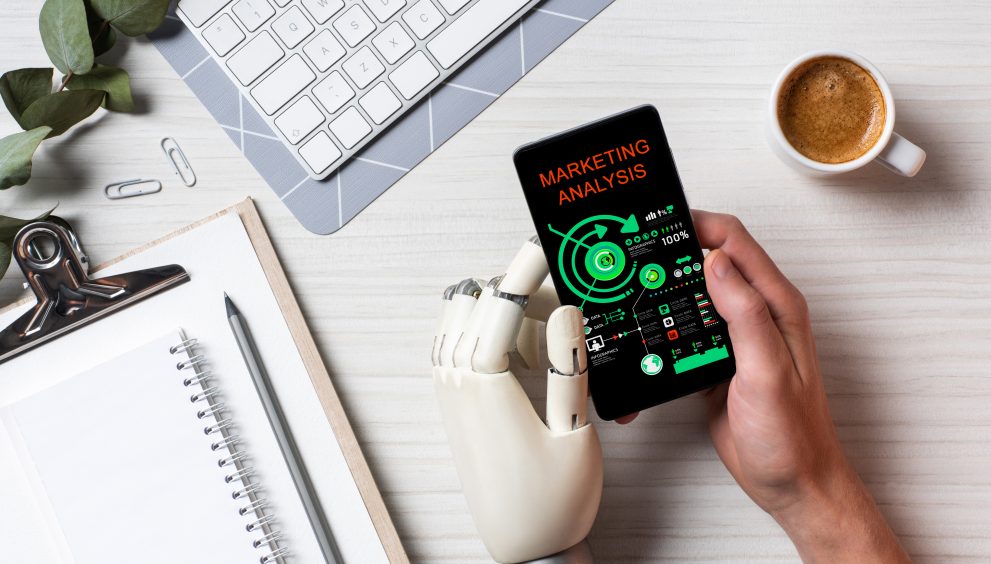
Artificial Intelligence (AI) is no longer a future concept in marketing—it is an active force reshaping how brands attract, engage, and convert customers. From automation to personalization, AI enables marketers to operate with greater speed, precision, and scalability. AI does not replace marketers; it amplifies their decision-making and execution.
This article explains how AI is transforming digital marketing and why businesses must adapt to remain competitive.
The Shift from Manual to Intelligent Marketing
Traditional marketing relies heavily on manual processes and human intuition. AI introduces data-driven intelligence at scale.
AI-powered marketing enables:
-
Faster data analysis
-
Real-time decision-making
-
Predictive insights
-
Automated execution
-
Personalized experiences
This shift improves efficiency without sacrificing creativity.
AI-Powered Data Analysis and Insights
AI excels at processing large datasets that humans cannot analyze efficiently.
Applications include:
-
Identifying patterns in user behavior
-
Predicting customer intent
-
Detecting performance anomalies
-
Forecasting campaign outcomes
AI-driven insights allow marketers to act proactively rather than reactively.
Personalization at Scale
Personalization was once limited by resources. AI removes that limitation.
AI enables:
-
Personalized content recommendations
-
Dynamic website experiences
-
Tailored email campaigns
-
Individualized ad messaging
Relevant experiences increase engagement, conversions, and loyalty.
AI in Paid Advertising Optimization
Paid media is one of the most AI-driven areas of marketing.
AI supports:
-
Automated bidding strategies
-
Audience targeting optimization
-
Creative performance prediction
-
Budget allocation improvements
AI-driven platforms adjust campaigns in real time based on performance signals.
Content Creation and Optimization with AI
AI assists—not replaces—content creation.
Use cases include:
-
Generating content drafts
-
Optimizing headlines and copy
-
Identifying content gaps
-
Improving SEO performance
AI speeds up production while humans provide strategy and context.
AI in Customer Journey Mapping
Understanding complex customer journeys is difficult without AI.
AI helps by:
-
Analyzing multi-touch interactions
-
Identifying conversion paths
-
Predicting drop-off points
-
Improving attribution accuracy
Journey insights improve funnel design and messaging alignment.
Marketing Automation Enhanced by AI
Automation becomes smarter with AI integration.
AI-powered automation enables:
-
Behavior-based triggers
-
Predictive email timing
-
Lead scoring accuracy
-
Dynamic segmentation
Smarter automation improves efficiency and relevance.
AI in Customer Support and Engagement
AI-driven chatbots and assistants improve engagement.
Capabilities include:
-
24/7 customer support
-
Instant response handling
-
FAQ automation
-
Lead qualification
AI improves responsiveness without increasing costs.
Predictive Analytics for Smarter Decisions
AI enables predictive marketing strategies.
Predictive use cases include:
-
Identifying high-value prospects
-
Forecasting churn risk
-
Anticipating demand
-
Optimizing campaign timing
Prediction shifts marketing from reactive to strategic.
Ethical and Practical Considerations
AI adoption requires responsibility.
Key considerations include:
-
Data privacy and compliance
-
Bias mitigation
-
Transparency in automation
-
Human oversight
Ethical AI builds trust and sustainability.
The Role of Marketers in an AI-Driven World
AI handles data and automation. Marketers handle strategy and creativity.
Human responsibilities include:
-
Strategic thinking
-
Brand voice and storytelling
-
Ethical judgment
-
Creative direction
AI augments human capability—it does not replace it.
Preparing for an AI-Driven Marketing Future
Businesses must adapt intentionally.
Steps include:
-
Investing in AI-ready tools
-
Training teams
-
Improving data quality
-
Aligning AI with strategy
Preparation ensures competitive advantage.
Final Thoughts
AI is transforming digital marketing by enabling smarter, faster, and more personalized experiences. Brands that adopt AI strategically gain efficiency, insight, and scalability—while those that resist risk falling behind.
The future of marketing belongs to teams that combine human creativity with artificial intelligence.