























































Marketing Automation Tools Every Business Should Use

As businesses scale, manual marketing processes become inefficient and error-prone. Responding to every lead, sending follow-ups, segmenting audiences, and tracking engagement manually is no longer practical. Marketing automation tools solve this problem by streamlining workflows, improving consistency, and increasing performance.
This article explores essential marketing automation tools every business should consider and how they support growth.
What Is Marketing Automation?
Marketing automation refers to software platforms that automate repetitive marketing tasks such as email campaigns, lead nurturing, segmentation, and reporting. These tools enable businesses to deliver personalized experiences at scale.
Automation does not replace strategy—it enhances execution by ensuring the right message reaches the right audience at the right time.
Why Marketing Automation Matters
Marketing automation provides several advantages:
-
Saves time and operational effort
-
Improves lead nurturing and conversion rates
-
Enhances personalization
-
Aligns marketing and sales teams
-
Provides actionable insights through data
Automation turns marketing into a predictable, scalable system.
Core Categories of Marketing Automation Tools
Rather than focusing on specific brands, businesses should understand the functional categories of automation tools.
1. Email Marketing Automation Platforms
Email remains one of the highest-ROI channels. Automation tools enable businesses to create behavior-based email sequences rather than one-off campaigns.
Key capabilities include:
-
Automated welcome sequences
-
Lead nurturing workflows
-
Trigger-based follow-ups
-
Segmentation and personalization
-
Performance tracking
These tools ensure timely, relevant communication.
2. Customer Relationship Management (CRM) Systems
CRMs act as the central hub for customer data. When integrated with marketing automation, they enable seamless alignment between marketing and sales.
Key functions include:
-
Lead tracking and scoring
-
Sales pipeline visibility
-
Automated task assignment
-
Customer history and insights
-
Reporting and forecasting
CRM integration improves conversion efficiency and follow-up quality.
3. Lead Capture and Form Automation Tools
Lead capture tools automate how businesses collect and manage prospect information.
Key features include:
-
Smart forms and landing pages
-
Progressive profiling
-
Automated data syncing
-
Form performance analytics
Efficient lead capture ensures no opportunity is missed.
4. Behavioral Tracking and Analytics Tools
Understanding user behavior is essential for personalization and optimization.
Behavioral tools track:
-
Website visits and page views
-
Content engagement
-
Email opens and clicks
-
Funnel progression
These insights drive smarter automation rules and messaging.
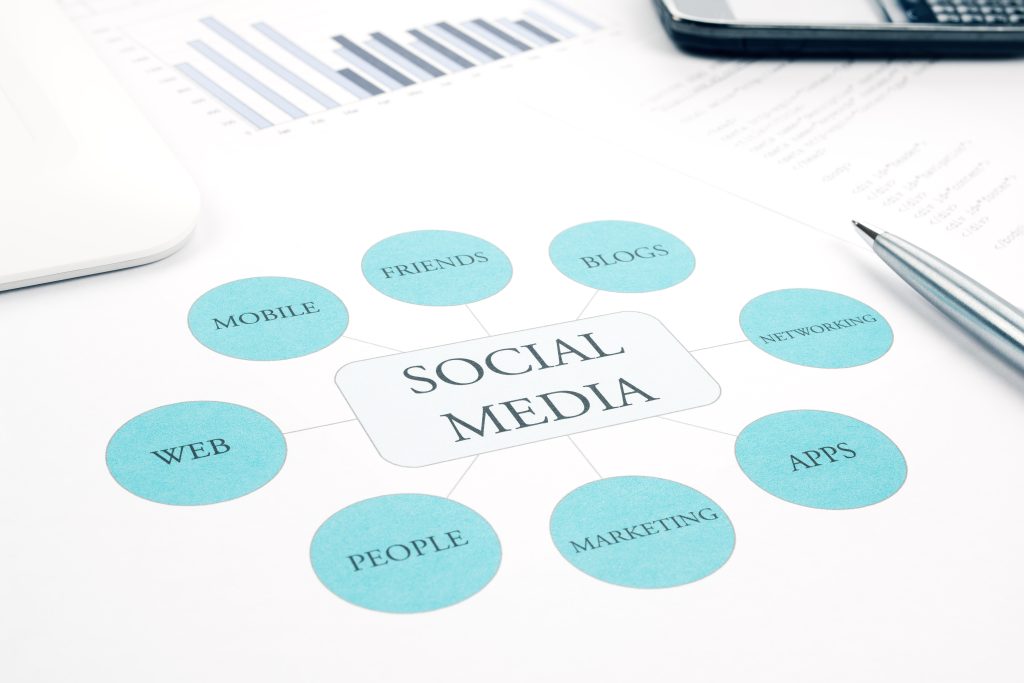
5. Social Media Automation Tools
Social media automation supports consistent presence and engagement.
Key features include:
-
Scheduled publishing
-
Content calendars
-
Engagement monitoring
-
Performance analytics
Automation reduces manual effort while maintaining consistency.
6. Advertising and Retargeting Automation
Ad automation tools help optimize paid campaigns.
Capabilities include:
-
Audience syncing
-
Automated bidding strategies
-
Retargeting workflows
-
Performance-based budget allocation
Automation improves efficiency and scalability.
7. Reporting and Dashboard Tools
Data-driven decisions require visibility.
Reporting tools provide:
-
Centralized dashboards
-
Campaign performance tracking
-
Funnel analytics
-
ROI measurement
Clear reporting ensures accountability and optimization.
How to Choose the Right Automation Tools
When selecting tools, consider:
-
Business size and complexity
-
Integration capabilities
-
Ease of use
-
Scalability
-
Budget and ROI potential
Avoid tool overload. Start with essentials and expand as needed.
Common Marketing Automation Mistakes
-
Automating without strategy
-
Over-communicating with audiences
-
Poor data hygiene
-
Lack of personalization
-
Ignoring performance insights
Automation should enhance relevance, not noise.
Final Thoughts
Marketing automation tools are no longer optional for growing businesses. When implemented strategically, they increase efficiency, improve customer experience, and drive measurable results.
The key is not how many tools you use—but how well they work together to support your marketing goals.